Posts

Why do sea cucumbers eviscerate?

Image
Sea cucumbers have a remarkable defense mechanism called evisceration, where they release their internal organs, including their digestive system, as a way to distract predators and protect themselves.  *Why do sea cucumbers eviscerate?* 1. *Predator avoidance:* Sea cucumbers release their internal organs to distract predators, giving them time to escape or hide. 2. *Stress response:* Evisceration can also be triggered by stress, injury, or environmental changes. *The evisceration process:* 1. *Autotomy:* Sea cucumbers have the ability to self-amputate their internal organs, including their digestive system. 2. *Release of internal organs:* The sea cucumber contracts its muscles and releases its internal organs, which can include the digestive system, respiratory trees, and even parts of its body wall. 3. *Regeneration:* After evisceration, sea cucumbers can regrow their lost organs over time. *Regeneration:* 1. *Stem cells:* Sea cucumbers have stem cells throughout the...

Hydroponics Export !

Image
Sure! Let’s dive into hydroponics products that can be exported from India. This includes not just fresh produce , but also technology and equipment related to hydroponic systems. Here’s a breakdown: ๐ŸŒฟ 1. Fresh Produce Hydroponically grown crops are typically premium, pesticide-free, and highly marketable. Popular exportable items include: ✅ Leafy Greens Lettuce (romaine, butterhead, iceberg) Spinach Kale Arugula Swiss chard ✅ Herbs Basil Mint Cilantro Oregano Thyme ✅ Microgreens Broccoli Radish Mustard greens Sunflower shoots ✅ Fruits and Vegetables Cherry tomatoes Bell peppers (capsicum) Strawberries (to niche markets) Cucumbers (baby cucumbers, English cucumbers) ๐ŸŒŸ Why these? These are high-value, quick-turnaround crops with a strong demand in health-conscious markets. ⚙️ 2. Hydroponic Systems & Equipment Apart from produce, there’s a growing international market for hydroponics technology ...

"The Ultimate Fish Spa: Meet the Cleaner Wrasse!"

Image
The Cleaner Wrasse (Labroides dimidiatus) is a remarkable fish species that has fascinated scientists and aquarium enthusiasts alike. Here's a more detailed look at their unique behavior: *Cleaning Behavior:* Cleaner Wrasse are known for their specialized cleaning behavior, where they remove parasites, dead skin, and other debris from the bodies of other fish. This behavior is crucial for the health and well-being of the "client" fish, as it helps prevent infections and promotes overall health. *How it Works:* 1. *Advertising:* Cleaner Wrasse advertise their services by performing distinctive dance-like movements, often accompanied by changes in color or posture. 2. *Client Arrival:* Other fish, often larger species, arrive at the cleaning station, usually a specific location on a reef or coral formation. 3. *Inspection:* The Cleaner Wrasse inspects the client's body, fins, and gills, using its specialized snout and teeth to remove parasites and dead tissu...

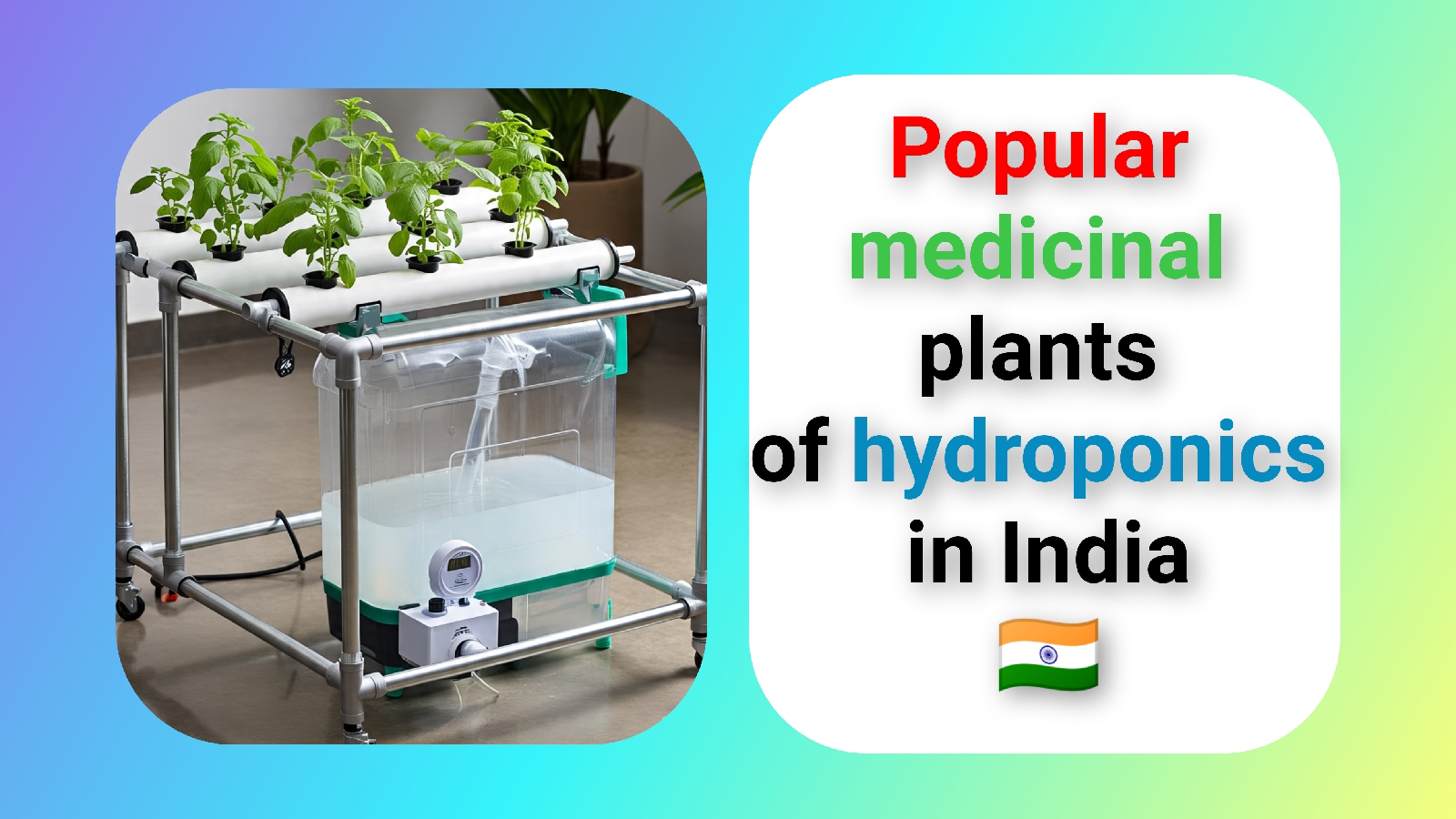
Popular medicinal plants of hydroponics in India

Image
 Hydroponics—soilless cultivation of plants using mineral nutrient solutions in water—has become increasingly popular in India, including for medicinal plants . Here’s a list of some popular medicinal plants grown hydroponically in India and why they’re valued: ๐ŸŒฑ Popular Medicinal Plants for Hydroponics in India Medicinal Plant Key Uses Notes Tulsi (Ocimum sanctum) Immunity booster, respiratory ailments, stress relief One of the easiest to grow hydroponically. Aloe Vera (Aloe barbadensis) Skin care, digestive health, wound healing Thrives in hydroponic systems with good drainage. Ashwagandha (Withania somnifera) Stress relief, energy, sleep aid Needs a well-managed hydroponic system due to root-based growth. Mint (Mentha spp.) Digestive health, cooling agent, culinary uses Fast-growing and highly profitable hydroponically. Brahmi (Bacopa monnieri) Memory, cognitive support, stress relief Prefers nutrient-rich water and consistent lig...

Seaweed Cultivation

Image
Setting up a Kappaphycus alvarezii (a red seaweed) cultivation system within a ₹50,000 budget is feasible, especially in coastal regions like Tamil Nadu and Andhra Pradesh. Here's a comprehensive guide covering setup, profitability, and market analysis: Content:  A. ๐Ÿงช Tank Setup Under ₹50,000 1.  Cultivation Method 2.  Estimated Costs B. ๐Ÿ“ˆ Profitability & Market Analysis 1.  Yield & Income 2.  Market Demand C. ⚠️ Risks & Considerations D.✅ Recommendations E.๐Ÿงพ Detailed Cost Breakdown per Raft F. ๐Ÿ“Š Budget Plan for ₹50,000 Investment G. ๐Ÿ“ˆ Profitability Analysis H.๐Ÿ› ️ Additional Considerations ------------------------------------------------------------------------- ๐Ÿงช Tank Setup Under ₹50,000 1. Cultivation Method Monoline or Raft Method : These are cost-effective and widely adopted in India. Materials Needed : Bamboo or PVC Rafts : A 12x12 ft bamboo raft costs approximately ₹1,050. Seedlings : Initial investment in seedlin...

Seaweed Aquaculture under 50k

Image
Great question! Setting up a seaweed aquaculture business under ₹50,000 is definitely challenging but possible on a small scale, especially in coastal areas of India. Let’s dive into a step-by-step plan , including setup, budget estimate, and expected profit . ๐ŸŒฟ What is Seaweed Aquaculture? Seaweed farming typically involves cultivating species like Kappaphycus alvarezii using rope or net methods in shallow coastal waters . It’s a fast-growing crop used in: Food products Cosmetics Pharmaceuticals Biofertilizers Animal feed ๐Ÿ› ️ Small-Scale Setup under ₹50,000 1️⃣ Choose the Right Location Coastal, calm, shallow waters (tidal or near-shore areas) Permissions from local authorities (Fisheries Department) Clean water quality and moderate wave action 2️⃣ Select Cultivation Method Floating raft method : cheapest and easiest for beginners. Long-line method : requires slightly more investment but scalable. ๐Ÿชข 3️⃣ Basic Materials Neede...