Posts

Showing posts with the label Fish

Fish Diseases That Affect Humans (Zoonotic Diseases)

Image
Let’s dive into naturally occurring fish diseases that can be dangerous to humans . These diseases typically spread through contact with infected fish, water, or consumption of undercooked fish. Here’s a concise list: ⚠️ Fish Diseases That Affect Humans (Zoonotic Diseases) 1. Mycobacteriosis (Fish Tank Granuloma) Cause: Mycobacterium marinum How it spreads: Through cuts or abrasions on the skin when handling fish tanks, aquariums, or infected fish. Human impact: Causes skin lesions, nodules, or ulcers, sometimes requiring antibiotics. 2. Vibriosis Cause: Vibrio vulnificus and Vibrio parahaemolyticus How it spreads: Through wounds exposed to seawater or by eating raw/undercooked seafood. Human impact: Skin infections, severe gastroenteritis, or even septicemia in severe cases. 3. Streptococcus iniae Cause: Streptococcus iniae How it spreads: Handling infected fish or water. Human impact: Skin infections (cellulitis), endocardi...
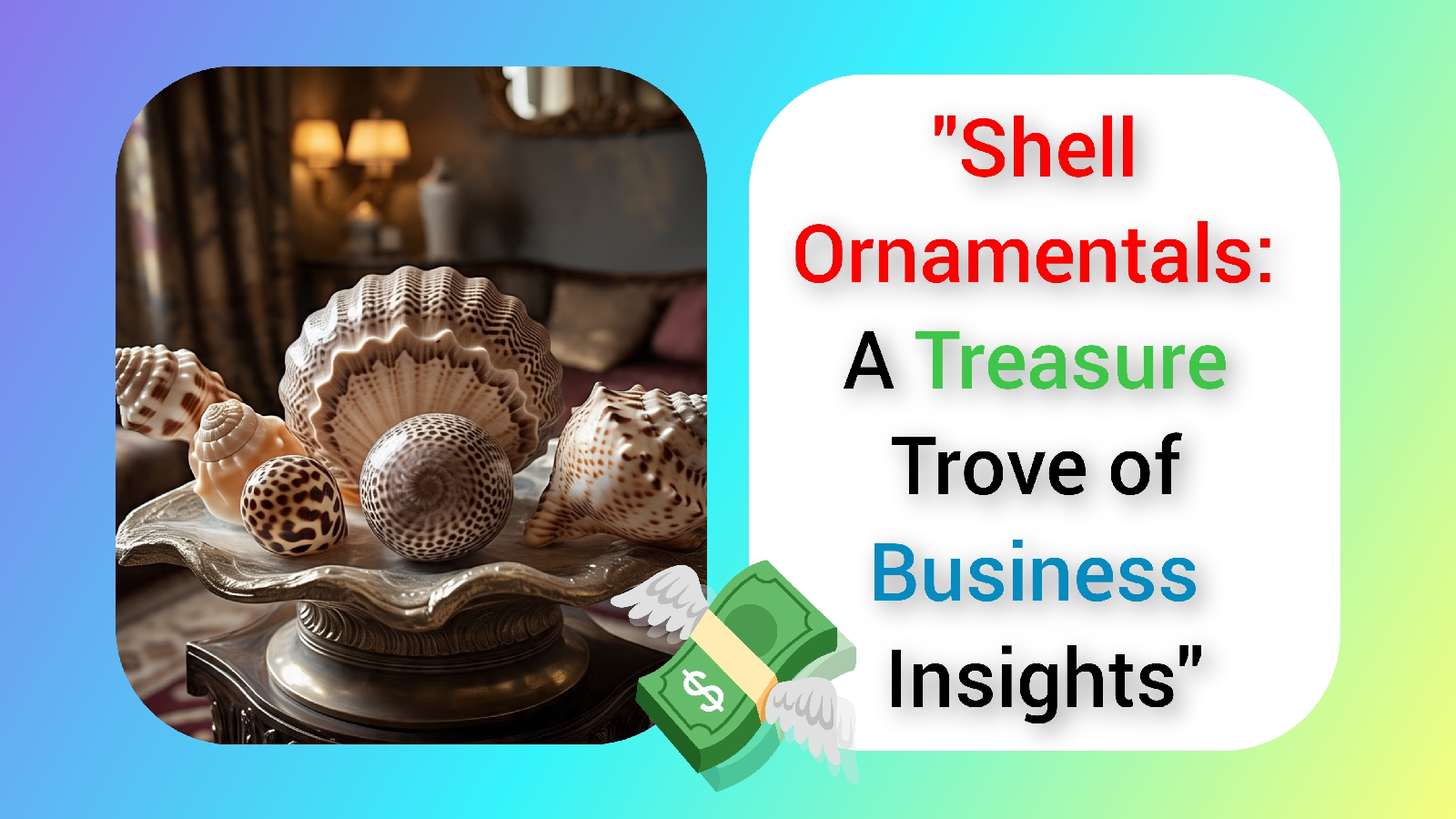
Ornamentals from shell case study

Image
 S tep-by-step guide on setting up a small-scale business making and selling ornamental products from shells with a budget under ₹10,000 . This guide is specifically crafted for small artisans or hobbyists aiming to test the market before scaling up. 🌊 Overview: Shell-based ornamentals involve creating jewelry, decorative items, keychains, fridge magnets, wind chimes, etc. from seashells. It’s a great eco-friendly business idea, popular among tourists, local craft markets, and online platforms. 📝 Step-by-Step Setup Plan (Under ₹10,000) 1️⃣ Planning & Research ✅ Market Research: Visit local markets and online platforms (like Etsy, Instagram) to check popular shell items. Note designs, prices, and customer preferences. ✅ Product Ideas: Earrings, necklaces, bracelets Keychains, fridge magnets Home decor (wind chimes, candle holders) Table decor (coasters, small figurines) 📝 Tip: Start small with 3-5 product types to keep t...

Aquarium Siphoning

Image
🌊 Why Aquarium Siphoning is Necessary: Siphoning is a critical maintenance task in any aquarium—freshwater or saltwater. It’s typically done with a gravel vacuum or siphon hose , and here’s why it’s important: 1️⃣ Removal of Fish Waste and Debris Fish produce waste, and uneaten food settles on the bottom. Over time, this waste accumulates in the substrate (gravel or sand). If not removed, it decomposes and releases ammonia , nitrite , and eventually nitrate —all of which can be harmful to fish. Siphoning helps physically remove this waste before it can decompose fully. 2️⃣ Prevents Toxic Buildup Even if you have a filter, it doesn’t remove waste trapped in the gravel . Waste buildup can cause bad smells , cloudy water , and even toxic gas pockets (like hydrogen sulfide in deep sand beds). Regular siphoning prevents the buildup of organic matter that can fuel unwanted algae growth and disease. 3️⃣ Maintains Water Quality Siphoning dur...

Why do sea cucumbers eviscerate?

Image
Sea cucumbers have a remarkable defense mechanism called evisceration, where they release their internal organs, including their digestive system, as a way to distract predators and protect themselves.  *Why do sea cucumbers eviscerate?* 1. *Predator avoidance:* Sea cucumbers release their internal organs to distract predators, giving them time to escape or hide. 2. *Stress response:* Evisceration can also be triggered by stress, injury, or environmental changes. *The evisceration process:* 1. *Autotomy:* Sea cucumbers have the ability to self-amputate their internal organs, including their digestive system. 2. *Release of internal organs:* The sea cucumber contracts its muscles and releases its internal organs, which can include the digestive system, respiratory trees, and even parts of its body wall. 3. *Regeneration:* After evisceration, sea cucumbers can regrow their lost organs over time. *Regeneration:* 1. *Stem cells:* Sea cucumbers have stem cells throughout the...

"The Ultimate Fish Spa: Meet the Cleaner Wrasse!"

Image
The Cleaner Wrasse (Labroides dimidiatus) is a remarkable fish species that has fascinated scientists and aquarium enthusiasts alike. Here's a more detailed look at their unique behavior: *Cleaning Behavior:* Cleaner Wrasse are known for their specialized cleaning behavior, where they remove parasites, dead skin, and other debris from the bodies of other fish. This behavior is crucial for the health and well-being of the "client" fish, as it helps prevent infections and promotes overall health. *How it Works:* 1. *Advertising:* Cleaner Wrasse advertise their services by performing distinctive dance-like movements, often accompanied by changes in color or posture. 2. *Client Arrival:* Other fish, often larger species, arrive at the cleaning station, usually a specific location on a reef or coral formation. 3. *Inspection:* The Cleaner Wrasse inspects the client's body, fins, and gills, using its specialized snout and teeth to remove parasites and dead tissu...

Parrotfish !

Image
The Parrotfish's protective mucous cocoon is a fascinating adaptation! Here's how it works: 1. As night falls, Parrotfish secrete a layer of mucus from glands in their skin. 2. This mucus forms a protective cocoon around their body, which can be up to several millimeters thick. 3. The cocoon serves as a camouflage, masking the fish's scent and making it harder for predators like moray eels and sharks to detect them. 4. The mucous cocoon may also provide some physical protection, making it more difficult for predators to grab or bite the fish. This unique adaptation helps Parrotfish protect themselves from nocturnal predators, allowing them to rest safely through the night.

How do fish breath?

Image
Fish breathe through gills, which extract oxygen from water. Here's a simplified explanation: *How Fish Gills Work:* 1. Water enters the fish's mouth. 2. The fish's gills, located on either side of its pharynx, absorb oxygen from the water. 3. The gills contain thin filaments that increase surface area for oxygen absorption. 4. Oxygen-rich water passes over the filaments, allowing oxygen to diffuse into the bloodstream. 5. Carbon dioxide and other waste products diffuse out of the bloodstream and into the water. 6. The deoxygenated water exits the fish's body through the gill slits. *Key Structures:* 1. Gill rakers: Bony or cartilaginous structures that support the gills. 2. Gill filaments: Thin, branching structures that increase surface area. 3. Gill lamellae: Folded structures within the filaments that facilitate oxygen exchange. *Breathing Process:* 1. Fish take in water through their mouth. 2. The water passes over the gills, allowing oxygen absorption....