Posts

Showing posts with the label Hydroponics

Growing Gold: A ₹10k Oyster Mushroom Startup

Image
Detailed oyster mushroom hydroponics setup under ₹10,000 investment, with budget and profit calculations . Since hydroponics typically involves soilless cultivation of plants, we’ll focus on a simple vertical or container-based system suitable for mushrooms — which are grown in substrates (like straw or sawdust) rather than a pure hydroponic nutrient solution. We’ll adapt the concept to be as close to hydroponics as possible, but technically mushrooms need a substrate-based approach . 🍄 Oyster Mushroom Hydroponics Setup Under ₹10,000 1️⃣ Overview Goal : Small-scale, home-based oyster mushroom setup with minimal space. Yield target : ~20 kg per cycle (30-45 days). Profit target : ₹2,000–₹4,000 per cycle. 2️⃣ Setup Requirements Item Details Cost (₹) Shelves or rack Simple bamboo/wood rack (3-4 levels) 1,500 Polythene bags 50-100 grow bags (polypropylene) 300 Substrate Straw or sawdust (10-15 kg dry) 500 Spawn 2-3 kg high-quality ...

What is ideal pH of Hydroponics

Image
🌱 What is pH? pH measures how acidic or alkaline a solution is: pH 7 is neutral. Below 7 is acidic. Above 7 is alkaline (basic). In hydroponics, pH influences nutrient availability — i.e., how easily plants can absorb essential nutrients. 🌱 Ideal pH Range for Hydroponics The ideal pH for hydroponics is usually: 5.5 to 6.5 . This range ensures most essential nutrients (nitrogen, phosphorus, potassium, calcium, magnesium, iron, etc.) are readily available to plants. Here’s a more precise breakdown: 5.5 – 5.8 : Great for leafy greens (lettuce, spinach, herbs). 5.8 – 6.2 : Better for fruiting plants (tomatoes, peppers, cucumbers). 6.0 – 6.5 : Suitable for most crops , ensuring balanced nutrient uptake. 🌱 What Happens Outside the Ideal Range? Below 5.5 (too acidic) : Micronutrients like iron, manganese, and zinc can become overly soluble (toxic levels). Calcium and magnesium may become less available (deficiencies). ...

Hydroponics Export !

Image
Sure! Let’s dive into hydroponics products that can be exported from India. This includes not just fresh produce , but also technology and equipment related to hydroponic systems. Here’s a breakdown: 🌿 1. Fresh Produce Hydroponically grown crops are typically premium, pesticide-free, and highly marketable. Popular exportable items include: ✅ Leafy Greens Lettuce (romaine, butterhead, iceberg) Spinach Kale Arugula Swiss chard ✅ Herbs Basil Mint Cilantro Oregano Thyme ✅ Microgreens Broccoli Radish Mustard greens Sunflower shoots ✅ Fruits and Vegetables Cherry tomatoes Bell peppers (capsicum) Strawberries (to niche markets) Cucumbers (baby cucumbers, English cucumbers) 🌟 Why these? These are high-value, quick-turnaround crops with a strong demand in health-conscious markets. ⚙️ 2. Hydroponic Systems & Equipment Apart from produce, there’s a growing international market for hydroponics technology ...

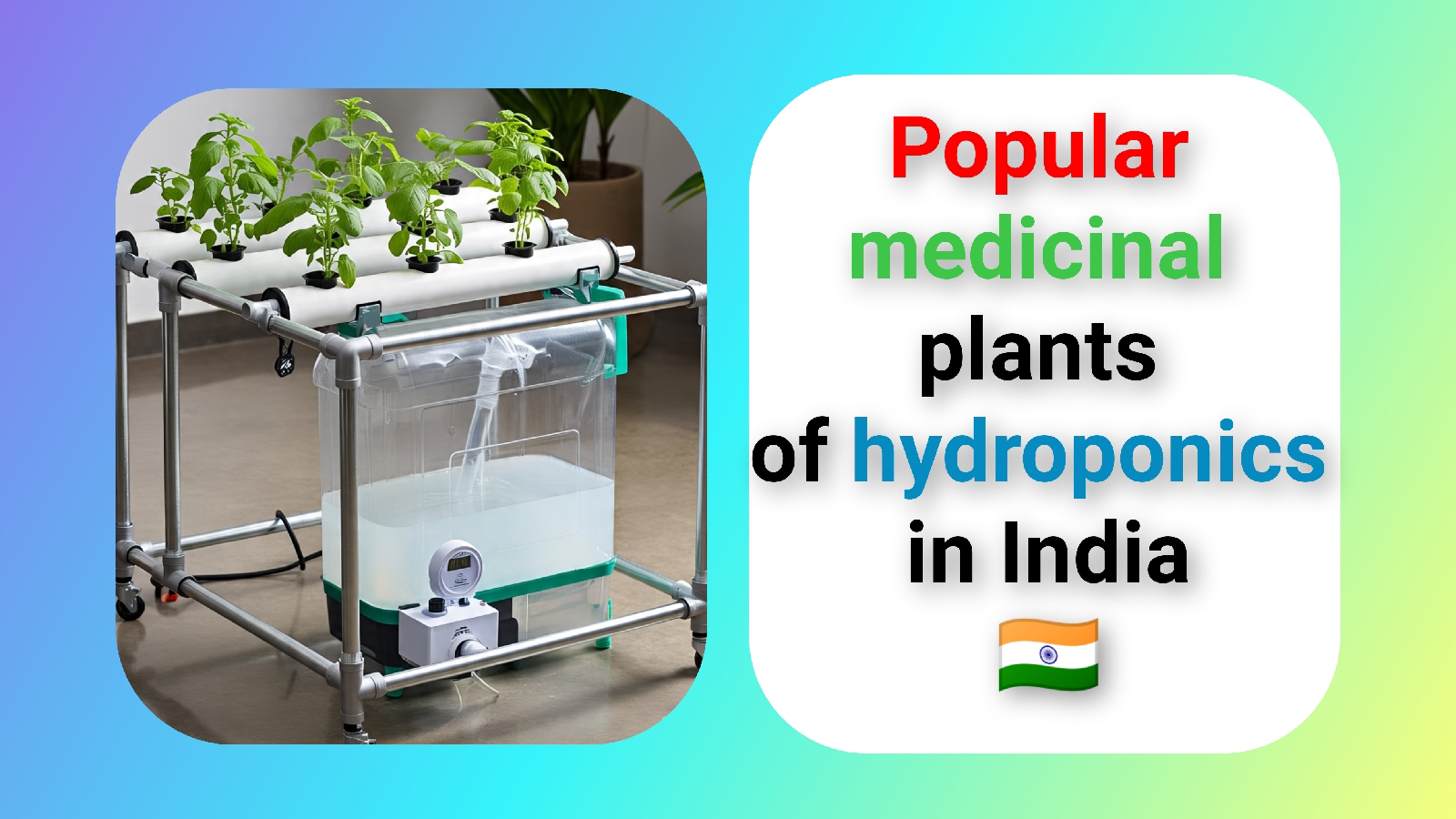
Popular medicinal plants of hydroponics in India

Image
 Hydroponics—soilless cultivation of plants using mineral nutrient solutions in water—has become increasingly popular in India, including for medicinal plants . Here’s a list of some popular medicinal plants grown hydroponically in India and why they’re valued: 🌱 Popular Medicinal Plants for Hydroponics in India Medicinal Plant Key Uses Notes Tulsi (Ocimum sanctum) Immunity booster, respiratory ailments, stress relief One of the easiest to grow hydroponically. Aloe Vera (Aloe barbadensis) Skin care, digestive health, wound healing Thrives in hydroponic systems with good drainage. Ashwagandha (Withania somnifera) Stress relief, energy, sleep aid Needs a well-managed hydroponic system due to root-based growth. Mint (Mentha spp.) Digestive health, cooling agent, culinary uses Fast-growing and highly profitable hydroponically. Brahmi (Bacopa monnieri) Memory, cognitive support, stress relief Prefers nutrient-rich water and consistent lig...

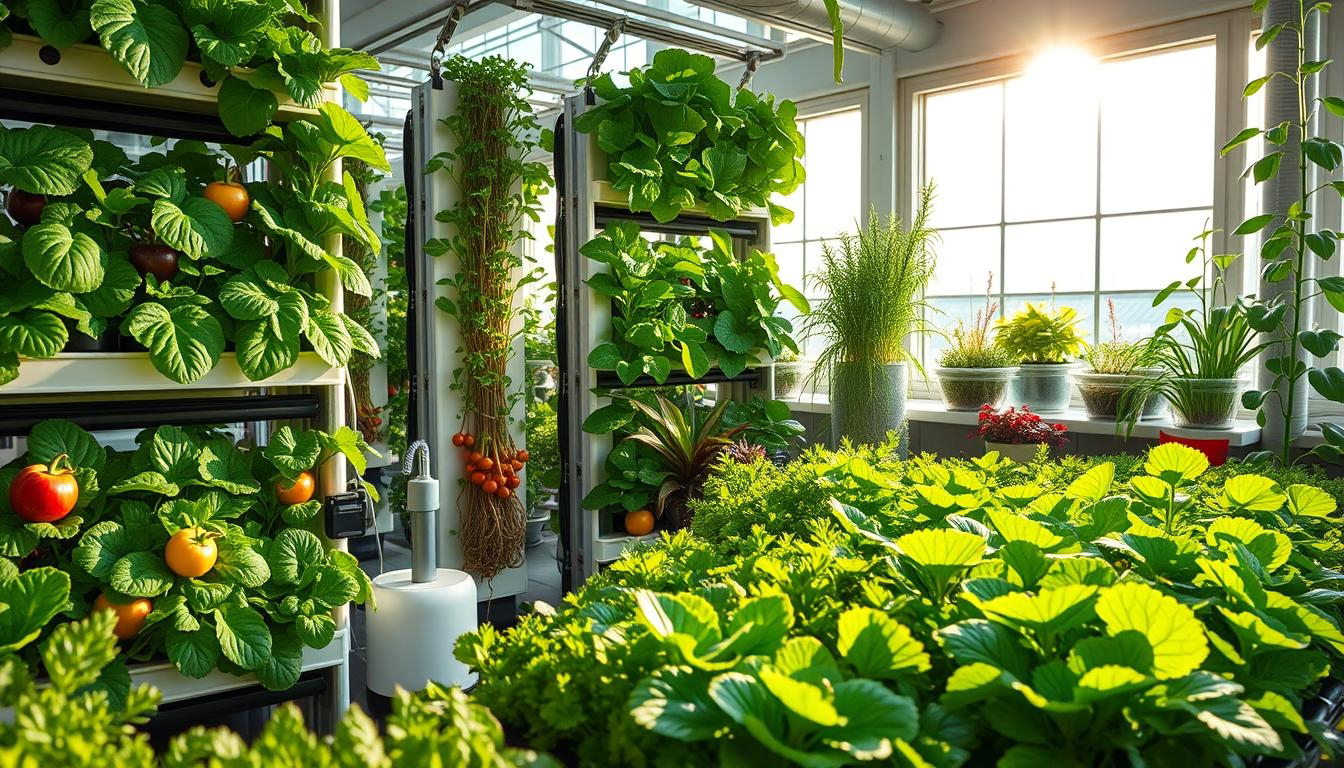
Hydroponics: Modern Gardening Made Easy

Image
Setting Up a Hydroponic Garden Starting a hydroponic garden needs the right equipment and supplies. It doesn't matter if you're new or experienced. Knowing the key parts is crucial for a successful indoor or outdoor garden. Essential Equipment and Supplies Here's what you'll need for your hydroponic garden: Growing tray or container: This is the base of your system, holding the growing medium and nutrient solution. Water pump: It circulates the nutrient-rich water, making sure your plants get what they need. Air stones: These add oxygen to the water, vital for your plants' roots. Grow lights (for indoor growing): If you're growing indoors, you'll need special lights to mimic sunlight. Nutrient solution: This solution is made for hydroponics, giving your plants the nutrients they need to grow. Growing medium: Choices like coco coir or rockwool support your plants' roots and keep moisture and nutrients. With these  hydroponic equipment  and  hy...

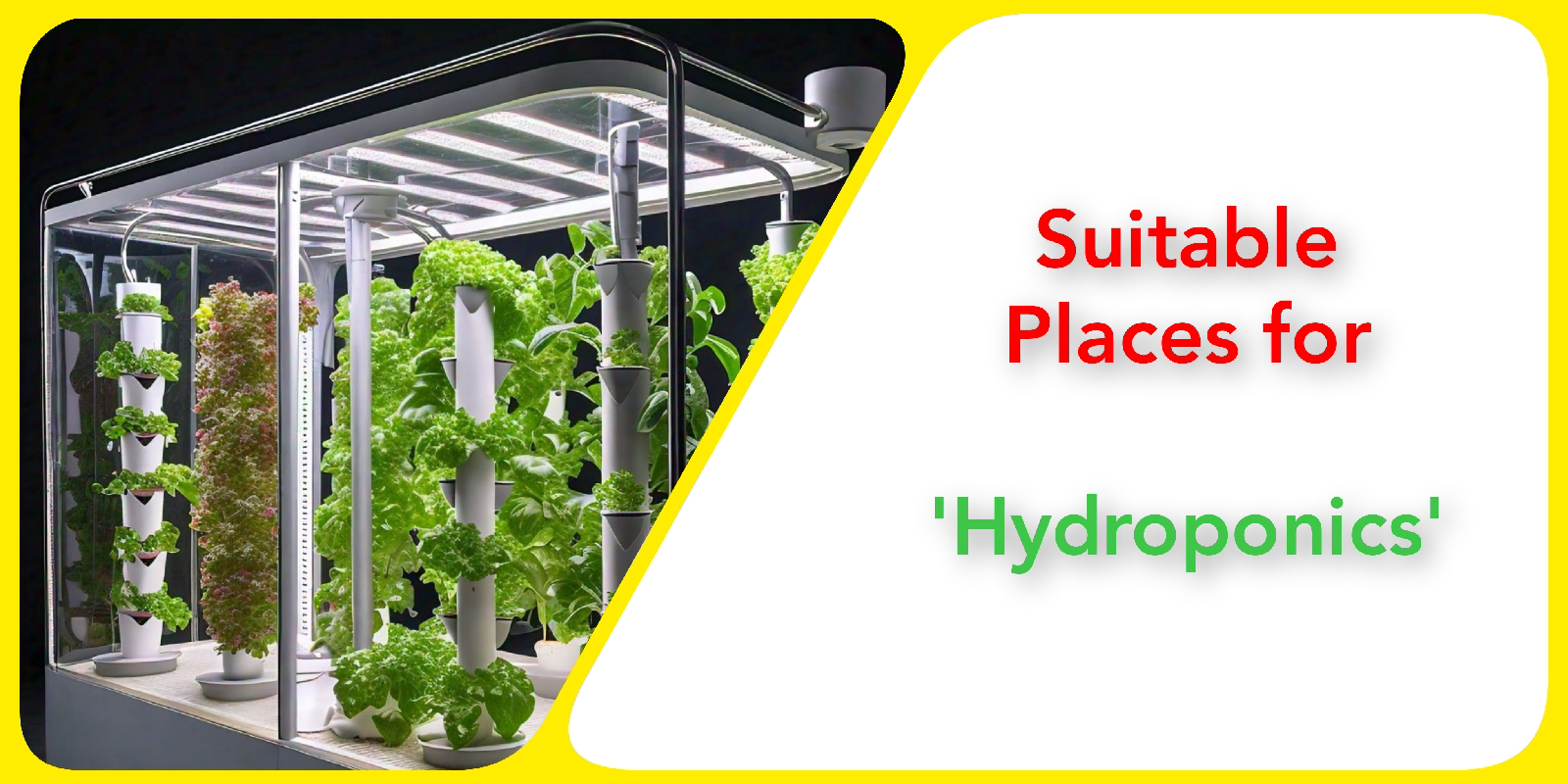
Suitable places for hydroponics

Image
Hydroponics can be implemented in various locations, provided there's access to water, nutrients, and suitable climate control. Here are some suitable places for hydroponics: *Indoor Spaces:* 1. Greenhouses 2. Warehouses 3. Basements 4. Rooftops 5. Indoor farms 6. Home gardens (e.g., sunrooms, balconies) *Outdoor Spaces:* 1. Backyards 2. Gardens 3. Farms 4. Vertical farms 5. Container farms 6. Community gardens *Unique Locations:* 1. Shipping containers 2. Abandoned buildings 3. Old swimming pools 4. Underground tunnels 5. Floating farms (e.g., on water) *Urban Areas:* 1. Rooftop gardens 2. Vertical farms 3. Indoor farms 4. Community gardens 5. Urban agriculture parks *Rural Areas:* 1. Farms 2. Greenhouses 3. Barns 4. Outdoor gardens 5. Aquaponics/hydroponics farms *Specialized Facilities:* 1. Research centers 2. Educational institutions 3. Commercial hydroponic farms 4. Government-funded agriculture projects Consider factors like: - Climate and temperature control - Ac...