Posts

🇮🇳 Seaweed Market Report – India (2025)

Image
🇮🇳 Seaweed Market Report – India (2025) 1. Executive Summary The Indian seaweed industry is projected to grow rapidly in 2025, driven by increasing demand from food, fertilizer, cosmetics, and biofuel sectors. With government incentives, coastal farming programs, and international demand, the market is ripe for investment. Market Size (Estimated 2025): ₹2,500+ Crores (approx. $300M+) CAGR (2022–2025): 12%–15% Key Species Cultivated: Kappaphycus alvarezii , Gracilaria , Ulva , Sargassum Key States: Tamil Nadu, Gujarat, Maharashtra, Odisha, Andhra Pradesh 2. Market Drivers Government Support: Blue Economy Mission, PMMSY scheme subsidies. Export Demand: Seaweed extracts in Europe, Japan, Korea, and the USA. Industrial Applications: Agar, carrageenan, biofertilizers, cosmetics, animal feed, nutraceuticals. Sustainable Practices: Seaweed absorbs CO₂ and requires no freshwater or fertilizers. 3. Market Segmentation Segment % of ...

Growing Gold: A ₹10k Oyster Mushroom Startup

Image
Detailed oyster mushroom hydroponics setup under ₹10,000 investment, with budget and profit calculations . Since hydroponics typically involves soilless cultivation of plants, we’ll focus on a simple vertical or container-based system suitable for mushrooms — which are grown in substrates (like straw or sawdust) rather than a pure hydroponic nutrient solution. We’ll adapt the concept to be as close to hydroponics as possible, but technically mushrooms need a substrate-based approach . 🍄 Oyster Mushroom Hydroponics Setup Under ₹10,000 1️⃣ Overview Goal : Small-scale, home-based oyster mushroom setup with minimal space. Yield target : ~20 kg per cycle (30-45 days). Profit target : ₹2,000–₹4,000 per cycle. 2️⃣ Setup Requirements Item Details Cost (₹) Shelves or rack Simple bamboo/wood rack (3-4 levels) 1,500 Polythene bags 50-100 grow bags (polypropylene) 300 Substrate Straw or sawdust (10-15 kg dry) 500 Spawn 2-3 kg high-quality ...

Fish Diseases That Affect Humans (Zoonotic Diseases)

Image
Let’s dive into naturally occurring fish diseases that can be dangerous to humans . These diseases typically spread through contact with infected fish, water, or consumption of undercooked fish. Here’s a concise list: ⚠️ Fish Diseases That Affect Humans (Zoonotic Diseases) 1. Mycobacteriosis (Fish Tank Granuloma) Cause: Mycobacterium marinum How it spreads: Through cuts or abrasions on the skin when handling fish tanks, aquariums, or infected fish. Human impact: Causes skin lesions, nodules, or ulcers, sometimes requiring antibiotics. 2. Vibriosis Cause: Vibrio vulnificus and Vibrio parahaemolyticus How it spreads: Through wounds exposed to seawater or by eating raw/undercooked seafood. Human impact: Skin infections, severe gastroenteritis, or even septicemia in severe cases. 3. Streptococcus iniae Cause: Streptococcus iniae How it spreads: Handling infected fish or water. Human impact: Skin infections (cellulitis), endocardi...

Ornamentals from shell case study

Image
 S tep-by-step guide on setting up a small-scale business making and selling ornamental products from shells with a budget under ₹10,000 . This guide is specifically crafted for small artisans or hobbyists aiming to test the market before scaling up. 🌊 Overview: Shell-based ornamentals involve creating jewelry, decorative items, keychains, fridge magnets, wind chimes, etc. from seashells. It’s a great eco-friendly business idea, popular among tourists, local craft markets, and online platforms. 📝 Step-by-Step Setup Plan (Under ₹10,000) 1️⃣ Planning & Research ✅ Market Research: Visit local markets and online platforms (like Etsy, Instagram) to check popular shell items. Note designs, prices, and customer preferences. ✅ Product Ideas: Earrings, necklaces, bracelets Keychains, fridge magnets Home decor (wind chimes, candle holders) Table decor (coasters, small figurines) 📝 Tip: Start small with 3-5 product types to keep t...

Aquarium Siphoning

Image
🌊 Why Aquarium Siphoning is Necessary: Siphoning is a critical maintenance task in any aquarium—freshwater or saltwater. It’s typically done with a gravel vacuum or siphon hose , and here’s why it’s important: 1️⃣ Removal of Fish Waste and Debris Fish produce waste, and uneaten food settles on the bottom. Over time, this waste accumulates in the substrate (gravel or sand). If not removed, it decomposes and releases ammonia , nitrite , and eventually nitrate —all of which can be harmful to fish. Siphoning helps physically remove this waste before it can decompose fully. 2️⃣ Prevents Toxic Buildup Even if you have a filter, it doesn’t remove waste trapped in the gravel . Waste buildup can cause bad smells , cloudy water , and even toxic gas pockets (like hydrogen sulfide in deep sand beds). Regular siphoning prevents the buildup of organic matter that can fuel unwanted algae growth and disease. 3️⃣ Maintains Water Quality Siphoning dur...

What is ideal pH of Hydroponics

Image
🌱 What is pH? pH measures how acidic or alkaline a solution is: pH 7 is neutral. Below 7 is acidic. Above 7 is alkaline (basic). In hydroponics, pH influences nutrient availability — i.e., how easily plants can absorb essential nutrients. 🌱 Ideal pH Range for Hydroponics The ideal pH for hydroponics is usually: 5.5 to 6.5 . This range ensures most essential nutrients (nitrogen, phosphorus, potassium, calcium, magnesium, iron, etc.) are readily available to plants. Here’s a more precise breakdown: 5.5 – 5.8 : Great for leafy greens (lettuce, spinach, herbs). 5.8 – 6.2 : Better for fruiting plants (tomatoes, peppers, cucumbers). 6.0 – 6.5 : Suitable for most crops , ensuring balanced nutrient uptake. 🌱 What Happens Outside the Ideal Range? Below 5.5 (too acidic) : Micronutrients like iron, manganese, and zinc can become overly soluble (toxic levels). Calcium and magnesium may become less available (deficiencies). ...

Why do sea cucumbers eviscerate?

Image
Sea cucumbers have a remarkable defense mechanism called evisceration, where they release their internal organs, including their digestive system, as a way to distract predators and protect themselves.  *Why do sea cucumbers eviscerate?* 1. *Predator avoidance:* Sea cucumbers release their internal organs to distract predators, giving them time to escape or hide. 2. *Stress response:* Evisceration can also be triggered by stress, injury, or environmental changes. *The evisceration process:* 1. *Autotomy:* Sea cucumbers have the ability to self-amputate their internal organs, including their digestive system. 2. *Release of internal organs:* The sea cucumber contracts its muscles and releases its internal organs, which can include the digestive system, respiratory trees, and even parts of its body wall. 3. *Regeneration:* After evisceration, sea cucumbers can regrow their lost organs over time. *Regeneration:* 1. *Stem cells:* Sea cucumbers have stem cells throughout the...

Hydroponics Export !

Image
Sure! Let’s dive into hydroponics products that can be exported from India. This includes not just fresh produce , but also technology and equipment related to hydroponic systems. Here’s a breakdown: 🌿 1. Fresh Produce Hydroponically grown crops are typically premium, pesticide-free, and highly marketable. Popular exportable items include: ✅ Leafy Greens Lettuce (romaine, butterhead, iceberg) Spinach Kale Arugula Swiss chard ✅ Herbs Basil Mint Cilantro Oregano Thyme ✅ Microgreens Broccoli Radish Mustard greens Sunflower shoots ✅ Fruits and Vegetables Cherry tomatoes Bell peppers (capsicum) Strawberries (to niche markets) Cucumbers (baby cucumbers, English cucumbers) 🌟 Why these? These are high-value, quick-turnaround crops with a strong demand in health-conscious markets. ⚙️ 2. Hydroponic Systems & Equipment Apart from produce, there’s a growing international market for hydroponics technology ...

"The Ultimate Fish Spa: Meet the Cleaner Wrasse!"

Image
The Cleaner Wrasse (Labroides dimidiatus) is a remarkable fish species that has fascinated scientists and aquarium enthusiasts alike. Here's a more detailed look at their unique behavior: *Cleaning Behavior:* Cleaner Wrasse are known for their specialized cleaning behavior, where they remove parasites, dead skin, and other debris from the bodies of other fish. This behavior is crucial for the health and well-being of the "client" fish, as it helps prevent infections and promotes overall health. *How it Works:* 1. *Advertising:* Cleaner Wrasse advertise their services by performing distinctive dance-like movements, often accompanied by changes in color or posture. 2. *Client Arrival:* Other fish, often larger species, arrive at the cleaning station, usually a specific location on a reef or coral formation. 3. *Inspection:* The Cleaner Wrasse inspects the client's body, fins, and gills, using its specialized snout and teeth to remove parasites and dead tissu...

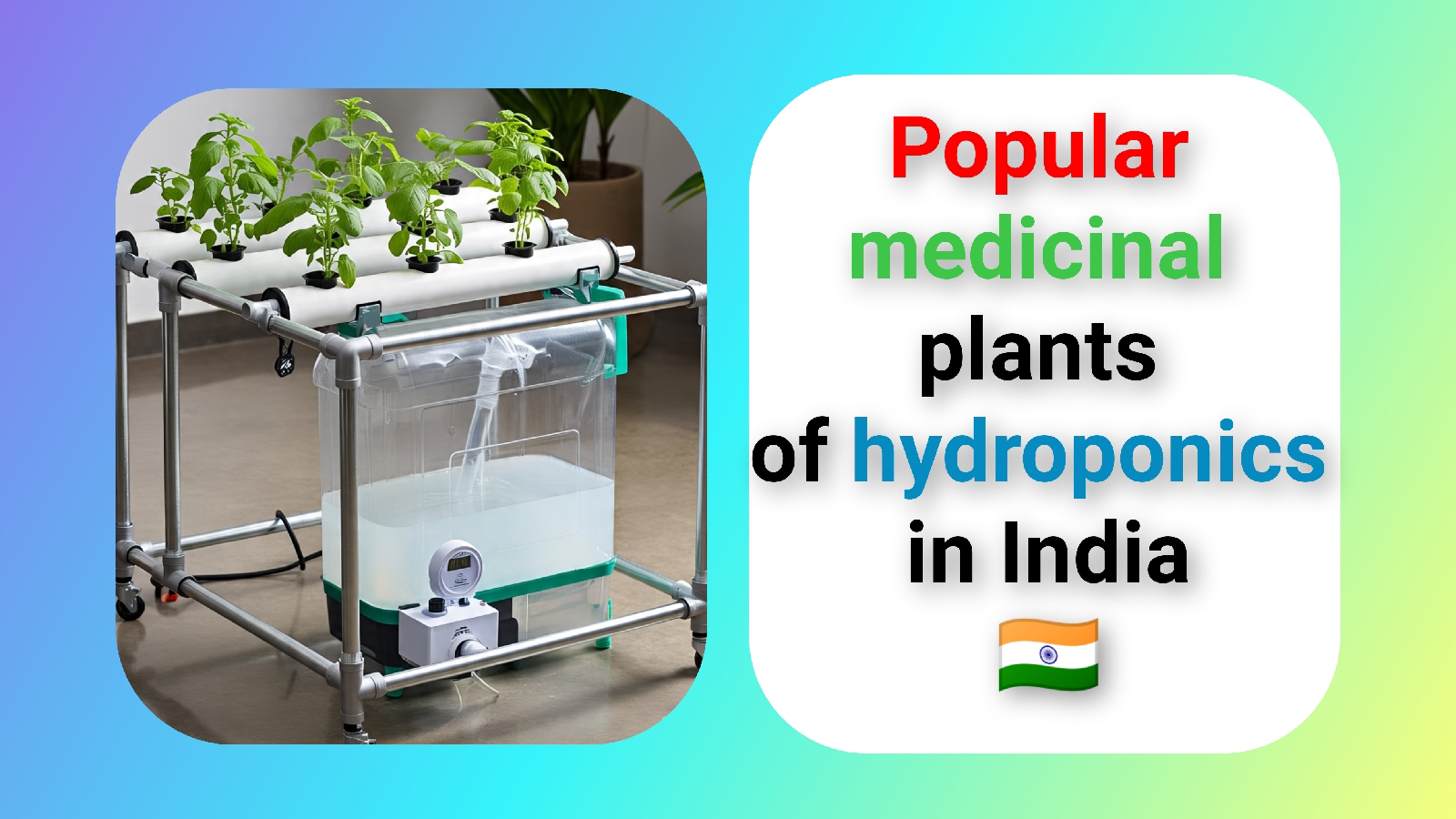
Popular medicinal plants of hydroponics in India

Image
 Hydroponics—soilless cultivation of plants using mineral nutrient solutions in water—has become increasingly popular in India, including for medicinal plants . Here’s a list of some popular medicinal plants grown hydroponically in India and why they’re valued: 🌱 Popular Medicinal Plants for Hydroponics in India Medicinal Plant Key Uses Notes Tulsi (Ocimum sanctum) Immunity booster, respiratory ailments, stress relief One of the easiest to grow hydroponically. Aloe Vera (Aloe barbadensis) Skin care, digestive health, wound healing Thrives in hydroponic systems with good drainage. Ashwagandha (Withania somnifera) Stress relief, energy, sleep aid Needs a well-managed hydroponic system due to root-based growth. Mint (Mentha spp.) Digestive health, cooling agent, culinary uses Fast-growing and highly profitable hydroponically. Brahmi (Bacopa monnieri) Memory, cognitive support, stress relief Prefers nutrient-rich water and consistent lig...

Seaweed Cultivation

Image
Setting up a Kappaphycus alvarezii (a red seaweed) cultivation system within a ₹50,000 budget is feasible, especially in coastal regions like Tamil Nadu and Andhra Pradesh. Here's a comprehensive guide covering setup, profitability, and market analysis: Content:  A. 🧪 Tank Setup Under ₹50,000 1.  Cultivation Method 2.  Estimated Costs B. 📈 Profitability & Market Analysis 1.  Yield & Income 2.  Market Demand C. ⚠️ Risks & Considerations D.✅ Recommendations E.🧾 Detailed Cost Breakdown per Raft F. 📊 Budget Plan for ₹50,000 Investment G. 📈 Profitability Analysis H.🛠️ Additional Considerations ------------------------------------------------------------------------- 🧪 Tank Setup Under ₹50,000 1. Cultivation Method Monoline or Raft Method : These are cost-effective and widely adopted in India. Materials Needed : Bamboo or PVC Rafts : A 12x12 ft bamboo raft costs approximately ₹1,050. Seedlings : Initial investment in seedlin...

Seaweed Aquaculture under 50k

Image
Great question! Setting up a seaweed aquaculture business under ₹50,000 is definitely challenging but possible on a small scale, especially in coastal areas of India. Let’s dive into a step-by-step plan , including setup, budget estimate, and expected profit . 🌿 What is Seaweed Aquaculture? Seaweed farming typically involves cultivating species like Kappaphycus alvarezii using rope or net methods in shallow coastal waters . It’s a fast-growing crop used in: Food products Cosmetics Pharmaceuticals Biofertilizers Animal feed 🛠️ Small-Scale Setup under ₹50,000 1️⃣ Choose the Right Location Coastal, calm, shallow waters (tidal or near-shore areas) Permissions from local authorities (Fisheries Department) Clean water quality and moderate wave action 2️⃣ Select Cultivation Method Floating raft method : cheapest and easiest for beginners. Long-line method : requires slightly more investment but scalable. 🪢 3️⃣ Basic Materials Neede...

Parrotfish !

Image
The Parrotfish's protective mucous cocoon is a fascinating adaptation! Here's how it works: 1. As night falls, Parrotfish secrete a layer of mucus from glands in their skin. 2. This mucus forms a protective cocoon around their body, which can be up to several millimeters thick. 3. The cocoon serves as a camouflage, masking the fish's scent and making it harder for predators like moray eels and sharks to detect them. 4. The mucous cocoon may also provide some physical protection, making it more difficult for predators to grab or bite the fish. This unique adaptation helps Parrotfish protect themselves from nocturnal predators, allowing them to rest safely through the night.

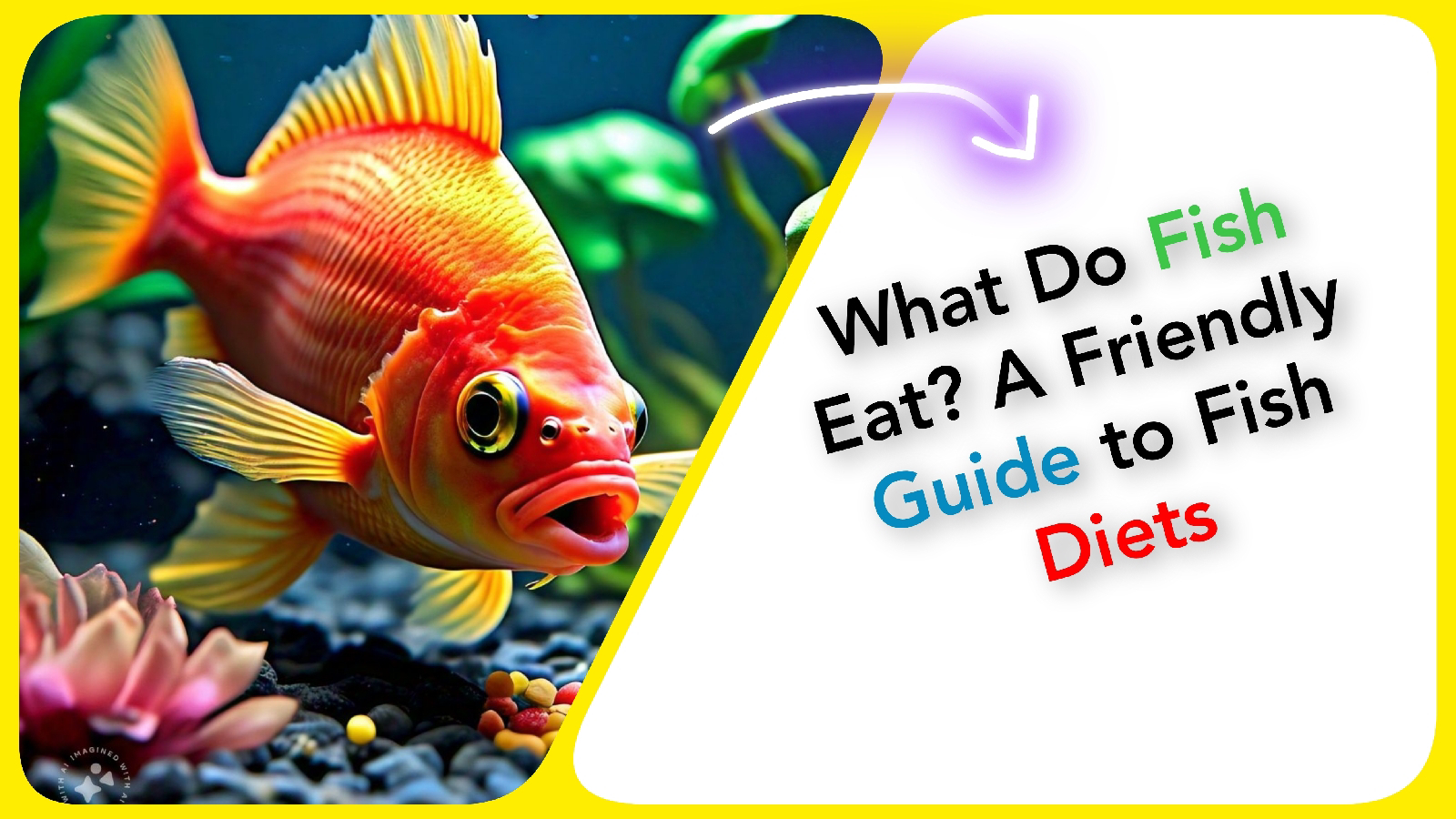
What Do Fish Eat? A Friendly Guide to Fish Diets

Image
Fish diets vary greatly depending on species, size, and environment. Here's a friendly guide: Types of Fish Diets: 1. Carnivorous (meat-eaters): Feed on small animals, insects, and plankton. 2. Herbivorous (plant-eaters): Eat algae, aquatic plants, and fruits. 3. Omnivorous (both meat and plant-eaters): Consume a mix of food sources. 4. Detritivorous (decaying matter-eaters): Feed on dead plants and animals. Common Fish Foods: 1. Phytoplankton (microalgae) 2. Zooplankton (small animals) 3. Insects (mosquito larvae, brine shrimp) 4. Crustaceans (krill, shrimp) 5. Small fish (fingerlings) 6. Algae 7. Commercial fish food (pellets, flakes) Specific Diets for Popular Fish: 1. Goldfish: Omnivorous; eat commercial flakes, pellets, and live foods. 2. Betta Fish: Carnivorous; feed bloodworms, brine shrimp, and commercial pellets. 3. Guppies: Omnivorous; eat commercial flakes, algae, and small insects. 4. Cichlids: Omnivorous; consume commercial pellets, fruits, and vegetables. ...

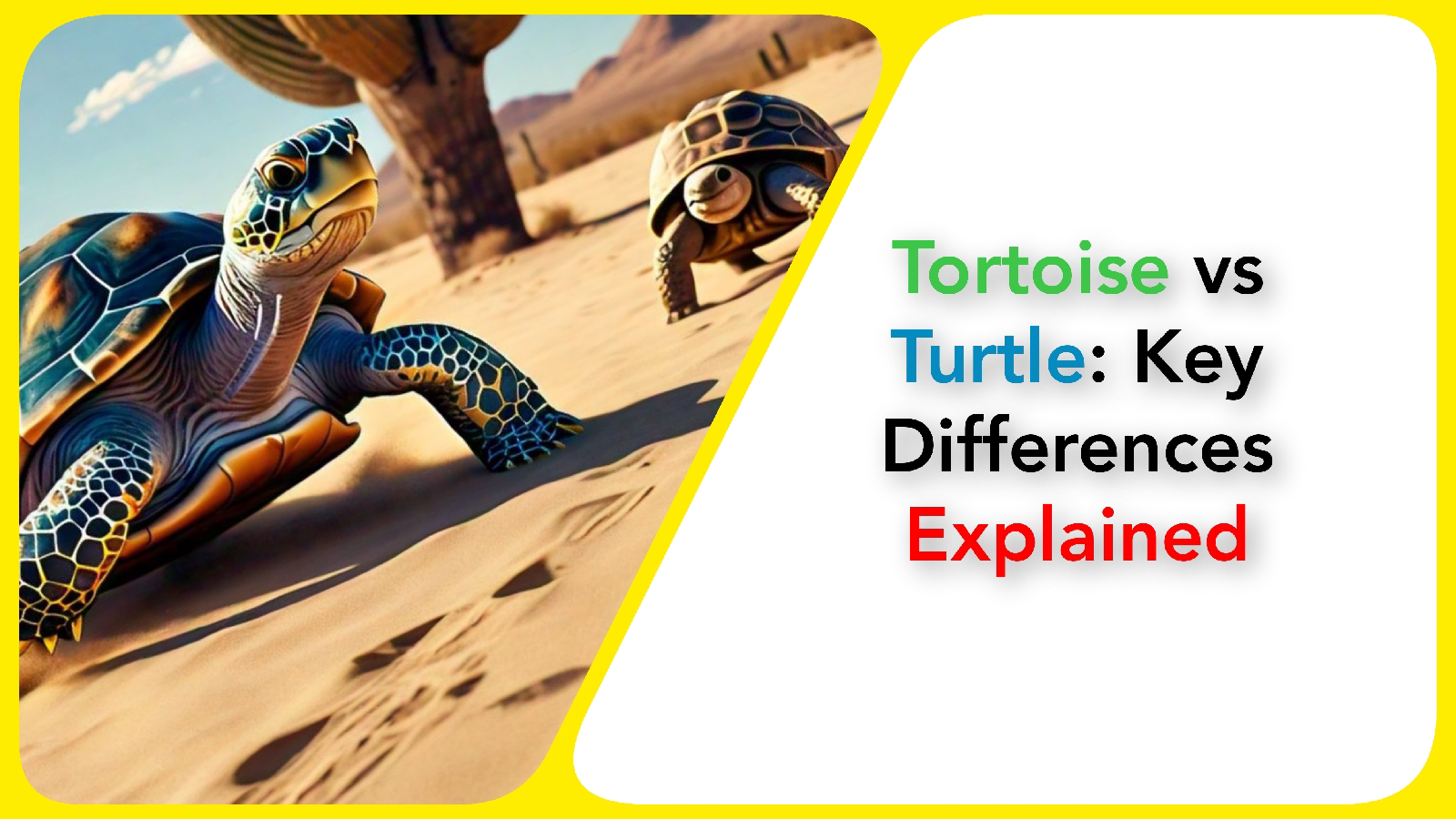
Tortoise vs Turtle: Key Differences Explained

Image
Tortoises and turtles are both reptiles belonging to the order Testudines, but they have distinct differences: * Physical Differences:* 1. Shell: Tortoises have dome-shaped shells, while turtles have more streamlined, flat shells. 2. Legs: Tortoises have stumpy, elephant-like legs, whereas turtles have flipper-like or webbed feet. 3. Neck: Tortoises have a shorter neck than turtles. * Habitat and Behavior :* 1. Habitat: Tortoises live primarily on land, while turtles spend more time in water (oceans, rivers, lakes). 2. Diet: Tortoises are herbivores, eating plants and fruits; turtles are omnivores, consuming aquatic plants, animals, and carrion. 3. Migration: Turtles migrate long distances; tortoises typically stay within a small area. * Lifespan and Size :* 1. Lifespan: Tortoises can live up to 150 years or more; turtles typically live 20-80 years. 2. Size: Tortoises tend to be larger than turtles. * Other Key Differences :* 1. Jaw structure: Tortoises have a specialized j...

Tilapia Fish Bacteria: What You Need to Know

Image
Understanding the Risks of Tilapia Fish Bacteria Tilapia is a popular fish, but it can have bacteria like Salmonella, E. coli, and Vibrio. These bacteria can make you very sick. Symptoms include diarrhea, vomiting, and even life-threatening conditions. Types of Bacteria Found in Tilapia Salmonella and E. coli are big worries in tilapia. Salmonella can cause salmonellosis, with fever, diarrhea, and stomach pain. E. coli can lead to bloody diarrhea and serious health issues. Vibrio species, like Vibrio parahaemolyticus and Vibrio vulnificus, are also found in tilapia. They can cause vibriosis, with symptoms like diarrhea and vomiting. People with weak immune systems are at high risk. Potential Health Concerns Eating tilapia with these bacteria can cause food poisoning. It can lead to serious health problems, hospital stays, and even death. It's important to know the health risks of tilapia bacteria and handle the fish safely. Tilapia Fish Bacteria: Safe Handling and Cooking Practices...