Posts

Showing posts from October, 2024

What Do Fish Eat? A Friendly Guide to Fish Diets
Image
Fish diets vary greatly depending on species, size, and environment. Here's a friendly guide: Types of Fish Diets: 1. Carnivorous (meat-eaters): Feed on small animals, insects, and plankton. 2. Herbivorous (plant-eaters): Eat algae, aquatic plants, and fruits. 3. Omnivorous (both meat and plant-eaters): Consume a mix of food sources. 4. Detritivorous (decaying matter-eaters): Feed on dead plants and animals. Common Fish Foods: 1. Phytoplankton (microalgae) 2. Zooplankton (small animals) 3. Insects (mosquito larvae, brine shrimp) 4. Crustaceans (krill, shrimp) 5. Small fish (fingerlings) 6. Algae 7. Commercial fish food (pellets, flakes) Specific Diets for Popular Fish: 1. Goldfish: Omnivorous; eat commercial flakes, pellets, and live foods. 2. Betta Fish: Carnivorous; feed bloodworms, brine shrimp, and commercial pellets. 3. Guppies: Omnivorous; eat commercial flakes, algae, and small insects. 4. Cichlids: Omnivorous; consume commercial pellets, fruits, and vegetables. ...
Tortoise vs Turtle: Key Differences Explained

Image
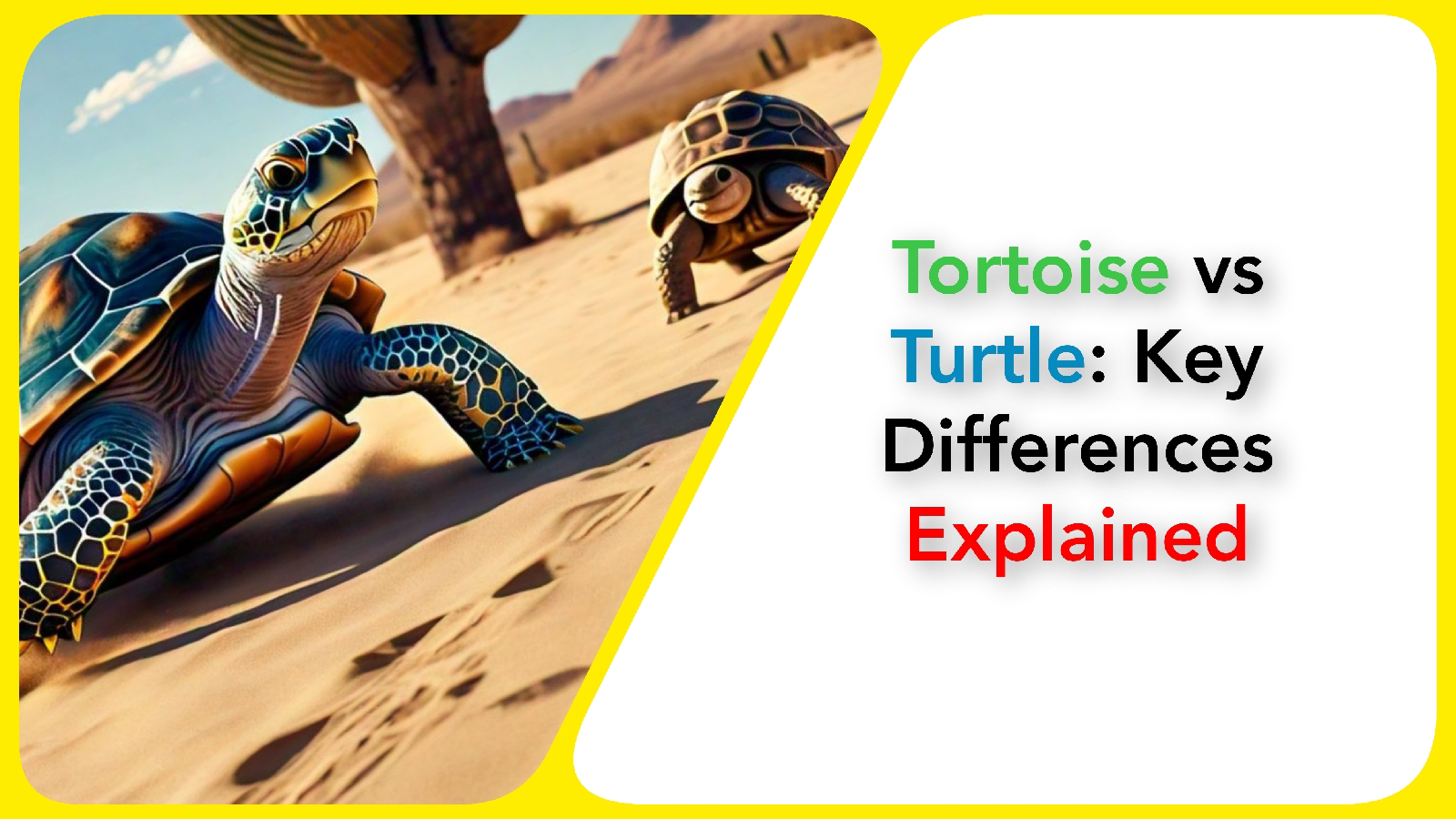
Tortoises and turtles are both reptiles belonging to the order Testudines, but they have distinct differences: * Physical Differences:* 1. Shell: Tortoises have dome-shaped shells, while turtles have more streamlined, flat shells. 2. Legs: Tortoises have stumpy, elephant-like legs, whereas turtles have flipper-like or webbed feet. 3. Neck: Tortoises have a shorter neck than turtles. * Habitat and Behavior :* 1. Habitat: Tortoises live primarily on land, while turtles spend more time in water (oceans, rivers, lakes). 2. Diet: Tortoises are herbivores, eating plants and fruits; turtles are omnivores, consuming aquatic plants, animals, and carrion. 3. Migration: Turtles migrate long distances; tortoises typically stay within a small area. * Lifespan and Size :* 1. Lifespan: Tortoises can live up to 150 years or more; turtles typically live 20-80 years. 2. Size: Tortoises tend to be larger than turtles. * Other Key Differences :* 1. Jaw structure: Tortoises have a specialized j...

Tilapia Fish Bacteria: What You Need to Know

Image
Understanding the Risks of Tilapia Fish Bacteria Tilapia is a popular fish, but it can have bacteria like Salmonella, E. coli, and Vibrio. These bacteria can make you very sick. Symptoms include diarrhea, vomiting, and even life-threatening conditions. Types of Bacteria Found in Tilapia Salmonella and E. coli are big worries in tilapia. Salmonella can cause salmonellosis, with fever, diarrhea, and stomach pain. E. coli can lead to bloody diarrhea and serious health issues. Vibrio species, like Vibrio parahaemolyticus and Vibrio vulnificus, are also found in tilapia. They can cause vibriosis, with symptoms like diarrhea and vomiting. People with weak immune systems are at high risk. Potential Health Concerns Eating tilapia with these bacteria can cause food poisoning. It can lead to serious health problems, hospital stays, and even death. It's important to know the health risks of tilapia bacteria and handle the fish safely. Tilapia Fish Bacteria: Safe Handling and Cooking Practices...