Posts

Showing posts from September, 2024

Hydroponics: Modern Gardening Made Easy
Image
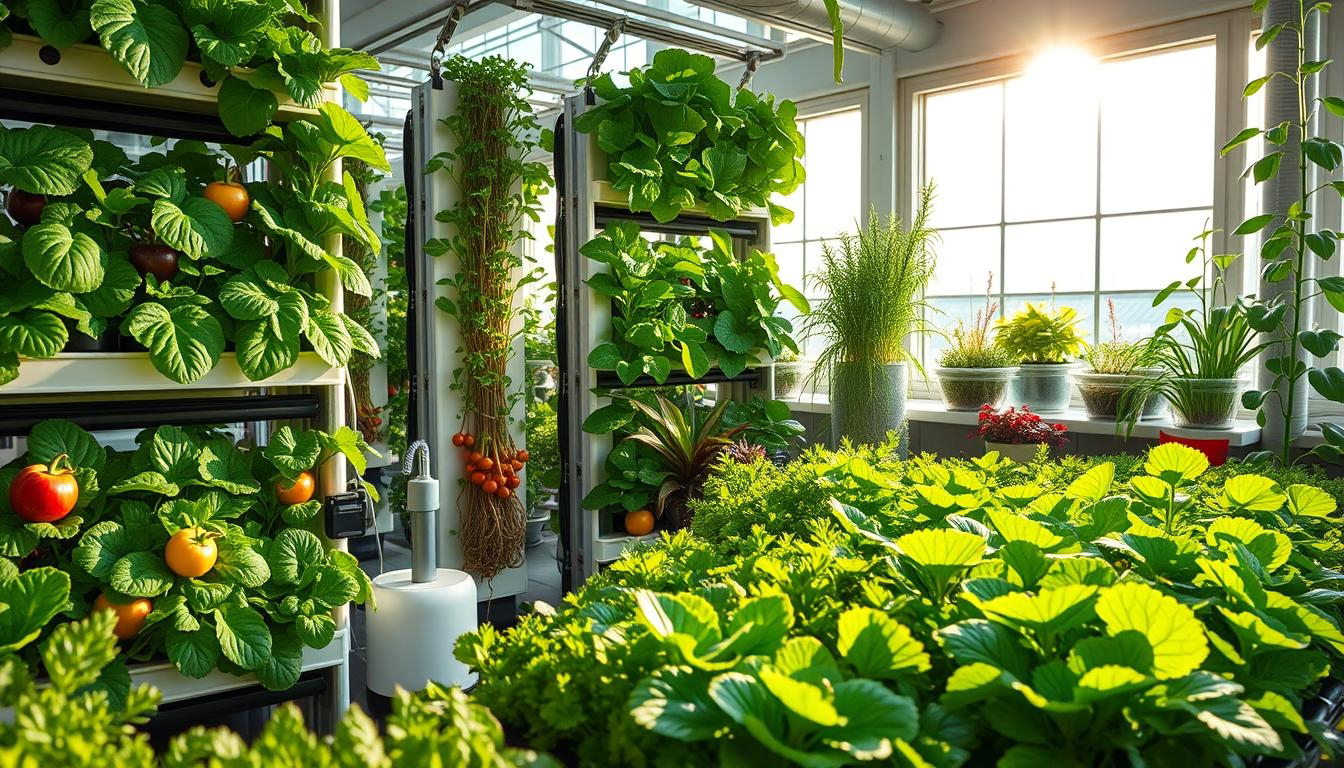
Setting Up a Hydroponic Garden Starting a hydroponic garden needs the right equipment and supplies. It doesn't matter if you're new or experienced. Knowing the key parts is crucial for a successful indoor or outdoor garden. Essential Equipment and Supplies Here's what you'll need for your hydroponic garden: Growing tray or container: This is the base of your system, holding the growing medium and nutrient solution. Water pump: It circulates the nutrient-rich water, making sure your plants get what they need. Air stones: These add oxygen to the water, vital for your plants' roots. Grow lights (for indoor growing): If you're growing indoors, you'll need special lights to mimic sunlight. Nutrient solution: This solution is made for hydroponics, giving your plants the nutrients they need to grow. Growing medium: Choices like coco coir or rockwool support your plants' roots and keep moisture and nutrients. With these  hydroponic equipment  and  hy...

How do fish breath?

Image
Fish breathe through gills, which extract oxygen from water. Here's a simplified explanation: *How Fish Gills Work:* 1. Water enters the fish's mouth. 2. The fish's gills, located on either side of its pharynx, absorb oxygen from the water. 3. The gills contain thin filaments that increase surface area for oxygen absorption. 4. Oxygen-rich water passes over the filaments, allowing oxygen to diffuse into the bloodstream. 5. Carbon dioxide and other waste products diffuse out of the bloodstream and into the water. 6. The deoxygenated water exits the fish's body through the gill slits. *Key Structures:* 1. Gill rakers: Bony or cartilaginous structures that support the gills. 2. Gill filaments: Thin, branching structures that increase surface area. 3. Gill lamellae: Folded structures within the filaments that facilitate oxygen exchange. *Breathing Process:* 1. Fish take in water through their mouth. 2. The water passes over the gills, allowing oxygen absorption....

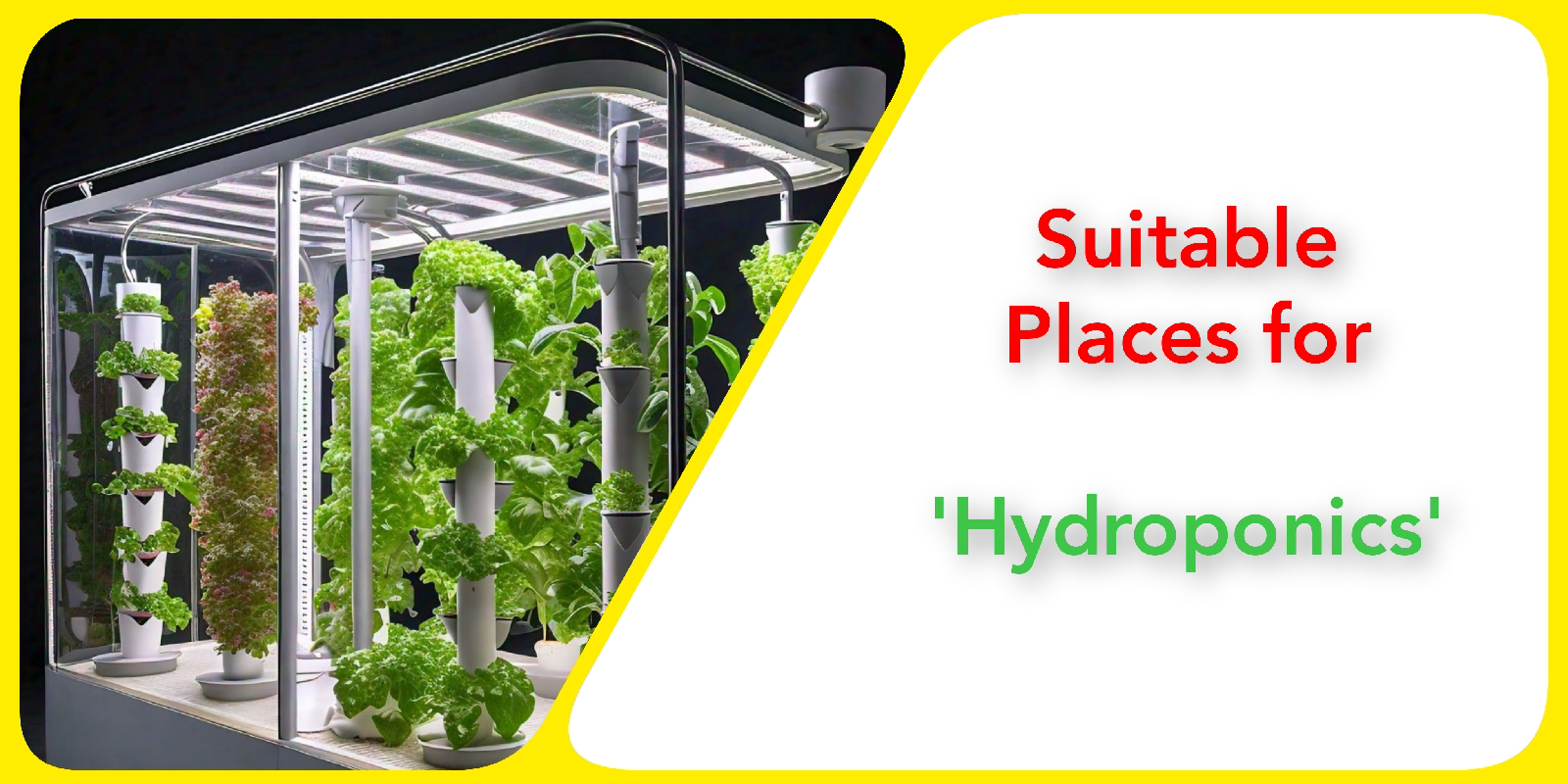
Suitable places for hydroponics

Image
Hydroponics can be implemented in various locations, provided there's access to water, nutrients, and suitable climate control. Here are some suitable places for hydroponics: *Indoor Spaces:* 1. Greenhouses 2. Warehouses 3. Basements 4. Rooftops 5. Indoor farms 6. Home gardens (e.g., sunrooms, balconies) *Outdoor Spaces:* 1. Backyards 2. Gardens 3. Farms 4. Vertical farms 5. Container farms 6. Community gardens *Unique Locations:* 1. Shipping containers 2. Abandoned buildings 3. Old swimming pools 4. Underground tunnels 5. Floating farms (e.g., on water) *Urban Areas:* 1. Rooftop gardens 2. Vertical farms 3. Indoor farms 4. Community gardens 5. Urban agriculture parks *Rural Areas:* 1. Farms 2. Greenhouses 3. Barns 4. Outdoor gardens 5. Aquaponics/hydroponics farms *Specialized Facilities:* 1. Research centers 2. Educational institutions 3. Commercial hydroponic farms 4. Government-funded agriculture projects Consider factors like: - Climate and temperature control - Ac...

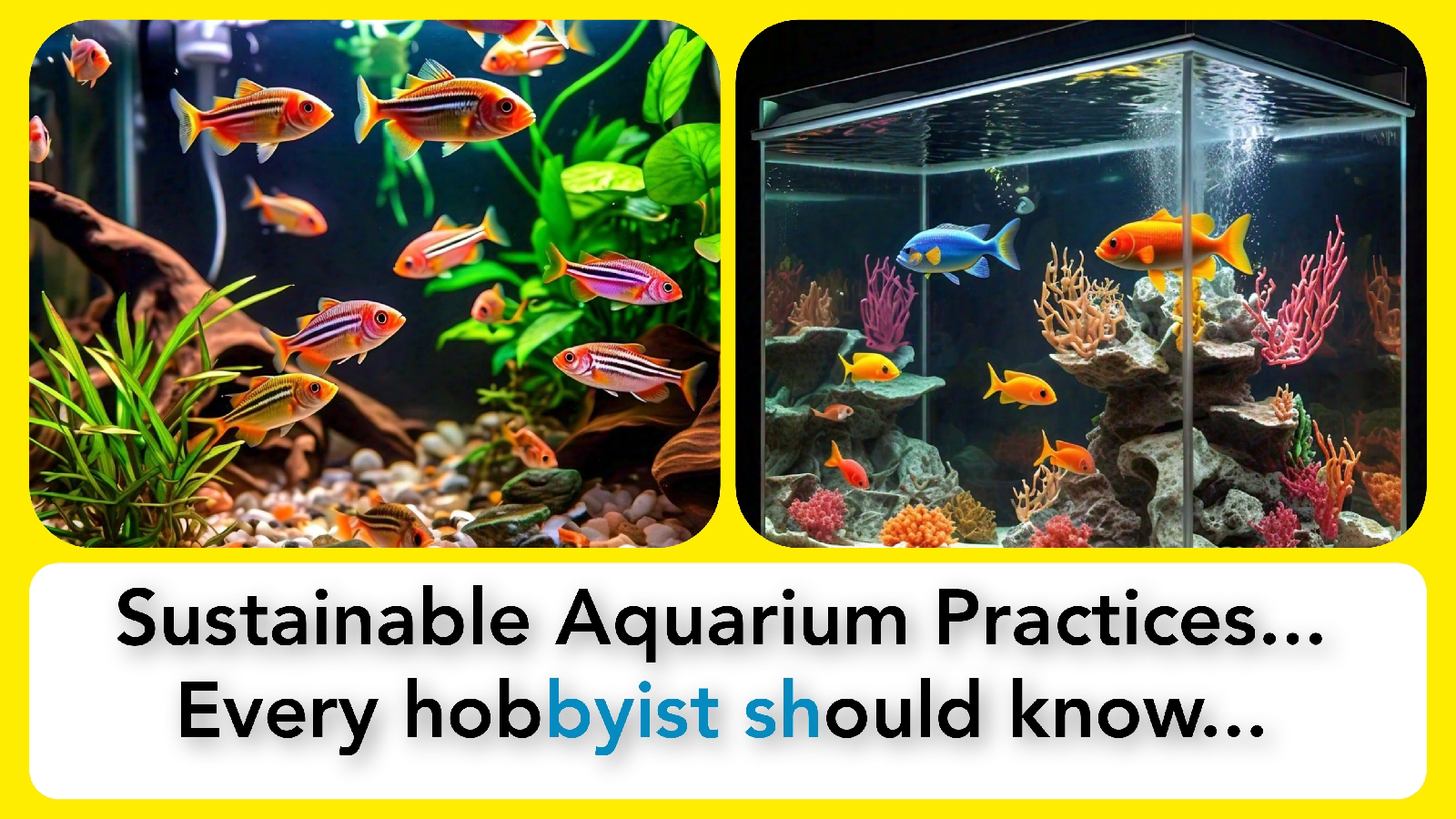
Sustainable Aquarium

Image
Traditional aquariums can have a significant ecological footprint. Some of the pressing issues include: 1. Energy consumption: Aquarium equipment, lighting, and heating/cooling systems contribute to greenhouse gas emissions. 2. Water waste: Regular water changes and aquarium maintenance can result in substantial water waste. 3. Fish welfare: Overfishing, habitat destruction, and poor fish handling practices harm marine ecosystems. 4. Chemical usage: Aquarium chemicals and treatments can pollute waterways and harm aquatic life. Sustainable Solutions : Fortunately, aquarium enthusiasts can adopt eco-friendly practices to minimize their impact: 1. Energy-efficient equipment: Invest in LED lighting, energy-efficient pumps, and eco-friendly filtration systems. 2. Water conservation: Implement rainwater harvesting systems and reduce water changes. 3. Responsible fish sourcing: Choose captive-bred or sustainably sourced fish, avoiding wild-caught species. 4. Natural filtration: In...

Why Asian Arowana is expensive?

Image
Asian Arowanas are considered one of the most expensive freshwater aquarium fish due to several factors: 1. Rarity: Wild Asian Arowanas are endangered, making them scarce. 2. Cultivation challenges: Arowanas are difficult to breed in captivity. 3. Size and lifespan: They can grow up to 3 feet and live up to 20 years. 4. Color and pattern: Vibrant colors and unique patterns increase value. 5. Demand: High demand, especially in Asia, drives up prices. 6. Export regulations: Strict export laws limit supply. 7. Certification: Authenticity and quality certifications, like CITES, add cost. 8. Breeding and rearing: Expert care and specialized equipment increase breeding costs. 9. Market dynamics: Prices fluctuate based on supply, demand, and market trends. Price range: - Basic: $500-$1,500 - High-quality: $1,500-$5,000 - Show-quality: $5,000-$20,000 - Rare varieties (e.g., Red or Gold): $10,000-$50,000 Keep in mind that prices vary depending on location, size, age, and quality.